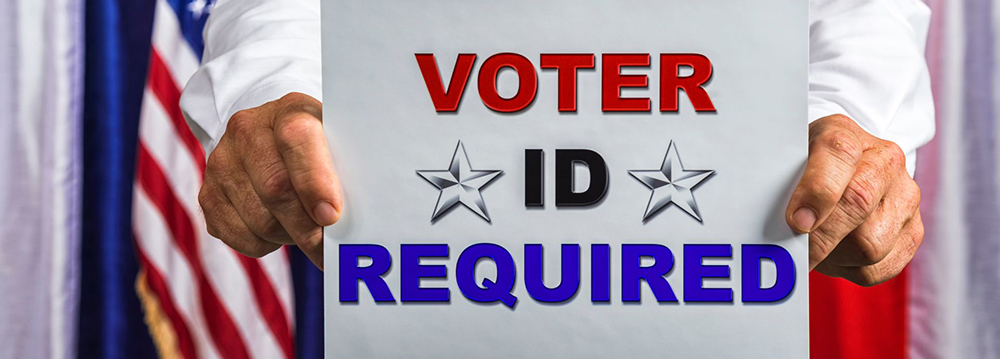
As the United States approaches another round of midterm elections, election officials across the country are emphasizing the importance of voter preparedness—particularly as it relates to voter identification rules. Heightened scrutiny of election processes, including legal challenges and public claims of irregularities by figures such as Donald Trump, has increased the likelihood that election outcomes will be closely examined. For eligible voters, careful preparation can help ensure that ballots are cast smoothly, counted accurately, and protected from unnecessary disputes.
Understanding Voter ID Requirements
Voter identification requirements vary by state. Some states require a government-issued photo ID, others accept non-photo identification such as utility bills or bank statements, and some request ID only in certain circumstances, such as for first-time voters or those voting by mail. A small number of states do not require ID at all but may request verification information.
Because these rules can change through legislation or court rulings, voters should verify current requirements well before Election Day. Official state or county election websites provide the most reliable information, including acceptable forms of ID and whether expired documents are permitted.
In Michigan: In Michigan, all registered voters can cast a ballot in person on Election Day between 7 a.m. and 8 p.m., and the state also offers early in-person voting in the weeks leading up to the election. Michigan requires voters who vote in person to present photo identification at the polling place—such as a Michigan driver’s license, state ID, U.S. passport, student ID, military ID, or tribal ID—or, if a voter does not have an accepted ID with them, they can still vote by signing an affidavit attesting they don’t have photo ID. Voters should confirm their registration status and polling location ahead of time and update their registration if they have moved; Michigan allows registration up to and including Election Day at a local clerk’s office with proof of residency. Absentee/mail-in voting is also available to all registered voters, with ballots typically required to be received by the clerk by 8 p.m. on Election Day to be counted
Check Registration Status Early
One of the most effective ways to avoid Election Day complications is confirming voter registration status in advance. Registration errors—such as outdated addresses, name mismatches, or inactive status—are among the most common causes of voting delays. Many states allow voters to check and update registration information online.
Ensuring that the name on a voter’s registration matches the name on their identification is particularly important in states with strict ID laws. If discrepancies exist due to marriage, divorce, or other changes, voters may need to update records or bring supplemental documentation.
Know Your Voting Options
Most states offer multiple ways to vote: in person on Election Day, early in-person voting, or by mail. Each option may have different ID or verification requirements. For example, mail-in voters may need to include a signature that matches the one on file or provide identification numbers on the ballot envelope.
Early voting can reduce lines and allow more time to resolve any issues that arise, such as provisional ballots or ID questions. Voters choosing this option should still bring identification, even if not strictly required, to avoid delays.
Prepare for Provisional Ballots
If a voter arrives at a polling place without the required ID, many states allow the use of a provisional ballot. However, these ballots are only counted if the voter completes additional steps, such as returning to an election office with valid identification within a specified timeframe.
Understanding how provisional ballots work—and what follow-up is required—can help voters decide whether to obtain proper ID ahead of time or plan for the extra steps if necessary.
Why Preparation Matters
In recent election cycles, allegations of voter fraud—despite a lack of evidence showing widespread illegal voting—have led to increased legal challenges and recount demands. When voters follow identification rules and election procedures precisely, it strengthens the integrity of the process and reduces opportunities for disputes over ballot validity.
Election officials from both major parties consistently note that most voting problems arise from administrative or clerical issues, not intentional misconduct. Prepared voters help minimize these issues and contribute to a smoother election overall.
Final Steps Before Election Day
As Election Day approaches, voters should assemble necessary documents, confirm polling locations and hours, and review state-specific rules. Bringing required identification, arriving informed, and allowing extra time to vote can help ensure that every eligible ballot is cast and counted as intended.
By taking these steps, lawful voters can participate confidently in the democratic process—supporting accurate elections and reducing the potential for confusion, challenges, or misinterpretation of results.