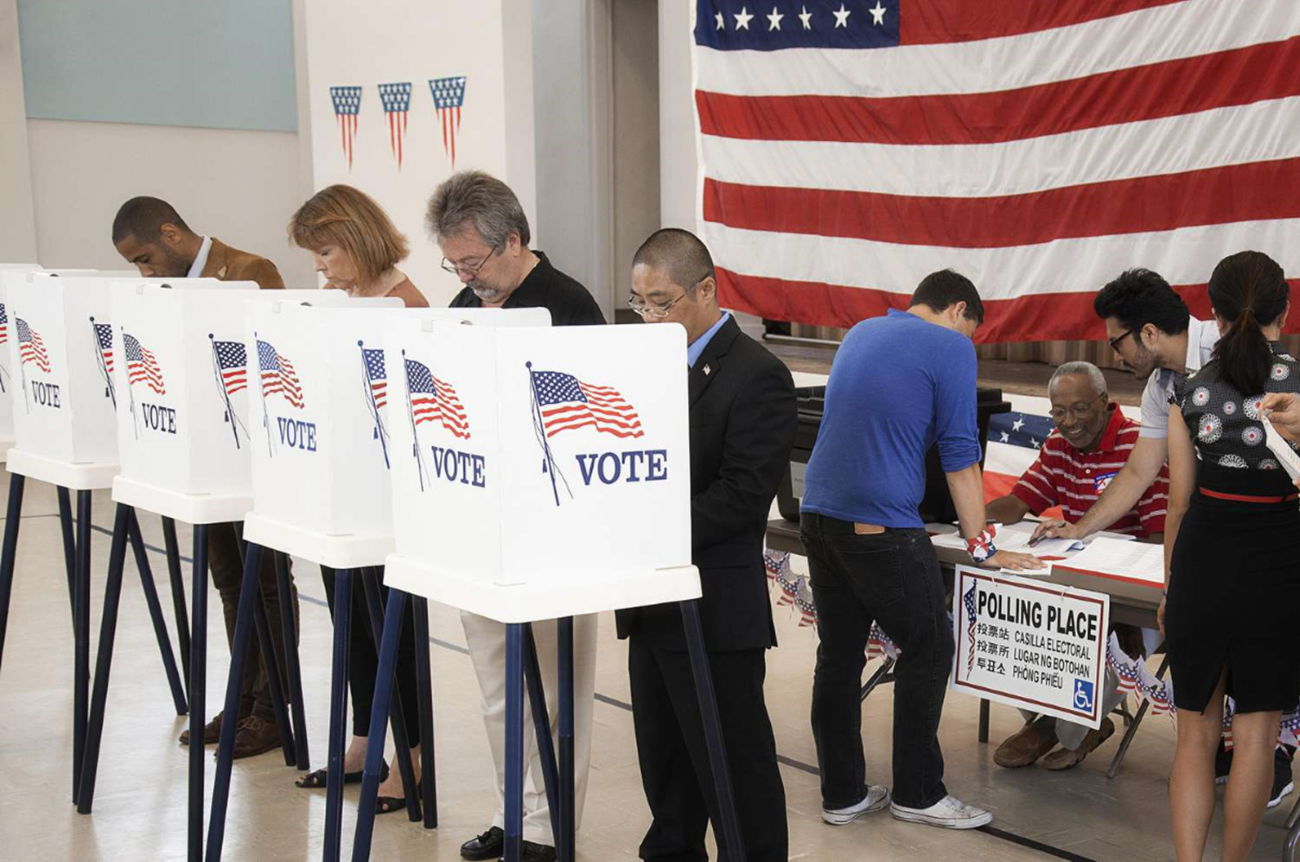
CHELSEA, MI—The proposed Save Act Voter ID is not necessary for Michigan. HJR B, approved by the Republican-majority House, mimics the federal SAVE Act. Both bills purport to attack a voter fraud issue that does not exist and seeks to suppress voting in largely Democratic districts.
Michigan’s current system already asks in-person voters to show photo ID — but it also provides a backstop: if you don’t have acceptable ID, you can sign an affidavit of identity and still cast a regular ballot. A 2026-era voter ID / proof-of-citizenship proposal in Congress and Lansing, would tighten those rules by requiring photo ID for in-person voting and eliminating the affidavit option, while also requiring citizenship verification for voter registration every year.
Backers of the bill, including House representative (46th District) Kathy Schmaltz who is a #maga Trumper, typically argue that stricter ID and citizenship checks are common-sense guardrails: they can deter impersonation, reduce administrative error, and reassure voters that only eligible citizens are voting.
Supporters of the voting suppression laws further argue that most adults already possess qualifying identification, so the burden is limited, and that states can offer IDs through existing DMV processes. Nationally, analyses like the U.S. Government Accountability Office (GAO) have noted that many registered voters in studied states had state-issued ID, though ownership rates vary across demographic groups and geography.
Opponents of the law point out that many citizens, especially in cities, have neither drivers’ licenses or passports, and do not possess a valid birth certificate, though they are citizens and legal voters.
Michigan’s current affidavit option is designed to prevent eligible voters from being turned away because of lost wallets, expired documents, transportation barriers, disability, cost, or paperwork mismatches (name changes, address issues, etc.). Eliminating that option, opponents argue, increases the odds that eligible voters will face a harder, time-consuming process (or give up), particularly among groups less likely to have current photo ID readily available.
Opponents also argue that “proof of citizenship” requirements can create additional hurdles, especially for naturalized citizens or people born outside hospital systems who may not have easy access to underlying documents. Even when requirements include workarounds, critics say the added friction deters participation and increases administrative complexity (more provisional ballots, more follow-up steps). The GAO found that in some states, changes to ID laws were associated with changes in turnout and provisional ballot use.
What the evidence says about fraud in Michigan.
Michigan’s Department of State has publicly said that noncitizen voting cases it identified were “extremely rare,” citing 15 credible cases out of more than 5.7 million ballots cast in the 2024 general election (0.00028%), with referrals for potential prosecution.
Laws should not be enacted to enforce a political desire by one party; in this case the desire by Republicans to make voting more difficult for citizens disproportionately voting for Democrats or third parties.
There are false equivalents being tossed around in social media by the far right; one being that if you are required to have a photo ID to buy liquor or cigarettes, why not voting? Buying liquor or cigarettes is a transaction, not a right, and the law sets an age for purchasing. Without proof of age, history tells us, minors in Michigan by the tens of thousands would buy both products wherever they are sold. Voting is a constitutional right for citizens, and there is NO historical evidence that voter fraud is present in Michigan except in very rare cases.
When a proposed law threatens to harm far more people than it potentially protects, that is the definition of a bad law.
-David Kiley
David Kiley is a member of Chelsea Indivisible, and a professional journalist, having worked for Businessweek, USA Today, CNN, and other news organizations.